

Why Does My Wood Burning Fireplace Produce Less Heat?
Nothing beats a wood fire crackling on a cold evening. Many homeowners use wood fireplaces to heat their homes.
To ensure that fireplaces burning wood are functioning properly, they require regular maintenance and a clean. This includes regular chimney inspections and sweepings, as well as making sure to avoid burning wet or unseasoned wood.
Efficient Heating
Wood burning fireplaces can be a beautiful addition to any home and provide warm natural, cozy warmth. Many homeowners wonder why their fireplace isn't producing the heat they'd like. The reason is based on a number of factors such as the type and quantity of wood used in the fireplace as well as how it is built.
In order to burn, wood must be combusted and release energy in the form of hot gases. Wood combustion is a complicated process that involves three stages which are dehydration (drying out), gasification (gasification) and burning charcoal. In the beginning the wood's water evaporates, and the organic material begins to decompose. This produces flammable gasses. These gases ignite and cause the wood to ignite. The wood releases a lot of heat. This heat is measured in British Thermal Units (BTUs) which are the amount of energy needed to raise a pound of water by one degree Fahrenheit.
Open fireplaces can draw up to 200 cubic feet per minute of air into the chimney. small woodburners heats the air inside your home, and also removes the undesirable byproducts of burning wood. This can reduce the heating capacity of your home and create drafts. The use of a high-efficiency wood burning fireplace that is EPA certified can help reduce this problem and increase the overall heating capacity of your home.
It is essential to create a fire that has the longest possible duration and use the right kind of wood. Dry or seasoned wood burns more efficiently and produces less smoke and creosote buildup. Dry wood is easier to light and burns at higher temperatures, which enhances the production of heat.
Insuring that your home is well-insulated and ensuring that all vents have been properly sealed will stop cold air from entering these sources. Lastly, the use of fans can be an effective method to distribute the heat generated by your fireplace throughout the home, rather than sending it all up the chimney.
Environmentally Friendly
The crackling sound, natural scent and flickering flames that come from a wood fireplace create a warm, inviting space. Many homes also have a more traditional look with wood fireplaces. The heat of a fireplace is great however, the radiant heat that comes from the burning coals makes a fireplace comfortable and enjoyable. The ashes can also be used to enrich soil and gardens, and also reduce harmful compounds such as arsenic and lead.
Traditional wood stoves have low environmental impact as long as they are constructed using sustainable fuels and are burned in a dependable fireplace. Unsustainable logging can cause deforestation and disrupt ecosystems, causing environmental problems. The wood used for a fireplace should also be properly prepared and stacked to ensure the proper combustion, which decreases emissions.
When it is burned or rotted, wet or rotten wood releases pollutants, such as particulate matter and CO2. These pollutants can be harmful to humans and can aggravate respiratory ailments, especially in those who have conditions like asthma. By requiring wood stoves that burn cleaner, the government is aiding in improving the quality of air.
Modern stoves release less carbon dioxide and other harmful gases in the atmosphere. This is achieved by using various fuels, including pellets made from recycled wood which burn more efficiently than logs. These stoves are also fitted with catalytic combustion engines, which can further reduce emissions.
Another alternative is a gas fireplace that uses electricity derived from fossil fuels that are derived from coal. It produces less greenhouse gases than wood-burning stoves. However, the process of combustion still releases nitrous oxides as well as other harmful pollutants that contribute to global warming and poor air quality.
It is essential to consult an expert on fireplace installation and safety to ensure that your home is built to local building codes and compliance with safety standards, which can help avoid the risk of fire and carbon monoxide poisoning. A professional can also offer advice on the best methods to maintain and use your fireplace, maximizing its capacity to provide warmth while minimizing emissions. In addition, special fireplace accessories like blowers or heat exchangers can aid in spreading warm air more evenly across the house.
Attractive in appearance
A fireplace that burns wood can turn a frosty night into a warm and inviting space. The fireplace isn't just an a source of heat, it also serves as a focal point that encourages conversations and activities. A fireplace that is properly designed can enhance the unique design of your home, whether it's sleek and modern or traditional with intricate stone details.
very small wood burner of flames, occasional sparks that resemble fireworks and even a woody scent like fir gives a fireplace a natural appearance. This creates a cozy atmosphere in any space. If you choose to go with a traditional open-hearth fireplace including decorative elements and carefully selected accessories can enhance the aesthetic appeal of your home.
While wood fireplaces provide an unique and beautiful feature, they also require regular maintenance, including cleaning. It is essential to regularly clear out ash and make sure that the chimney is not blocked or overloaded. For those interested in an option that is less maintenance-intensive, you may want to consider the gas fireplace.
As technology is evolving, more people are seeking energy efficient heating systems in their homes. The good news is that modern gas-powered fireplaces provide the same appealing advantages of a traditional wood burning fireplace but without the need for regular maintenance or reliance on fuel sources that are flammable.
Electric fireplaces come in many styles and can be wired or plugged into an outlet in the wall. Some models can be mounted to the wall or freestanding, while others are wall-mounted. They simulate real flames using LED lights and speakers that emit crackling sounds. Although they are not the most efficient heat source, they can be an alternative to a wood-burning fire or if there is no space for traditional fireplaces.
It is essential to make the right decision for your home. The fireplace that you choose will not only affect how your living area is used, but will also impact the value of your home. Ask a professional for advice on the best option.
Low Maintenance
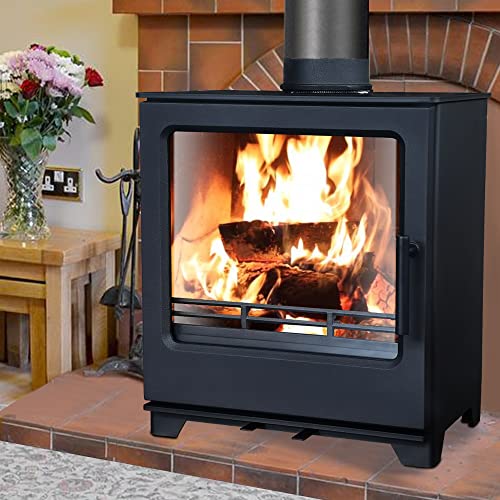
Wood fireplaces are an ideal option for those who want to decrease their dependence on fossil fuels. It is a renewable resource and can be sourced from local forests and then purchased locally to benefit the community. It's also more affordable than natural gas or heating oil. It produces fewer pollutants and creates a more natural atmosphere. It is important to only use seasoned wood for your fireplace. The danger of creosote poisoning is less when using the wood that has been seasoned.
Maintaining your chimney system is crucial to ensure it's working correctly. A fireplace that is blocked can release harmful byproducts, such as carbon monoxide, smoke and other byproducts. The chimney must be cleaned at least once a year to remove creosote, ash and other debris that has been accumulated from the firebox and flue. It is a good idea to sweep the firebox on a regular basis to keep it clean.
A wood-burning fireplace can also be used to provide heat backup in the event of the event of a power outage. Storing a supply of seasoned firewood will allow you to keep warming your home for days at a time without having to rely on a generator. This is an excellent way to decrease your dependence on the utility companies and prepare for power failures caused by winter snowstorms or ice storms which damage tree branches and knock down under-hanging wires.
Fireplaces that burn wood are well-known for their ability to create a smoky, crackling fire that adds an authentic look to any room. The smell and sound of a burning fire in a wood-burning fireplace is unlike any other options. It can make a room feel cozy and inviting and is perfect for entertaining friends and family.
Our experts can help you understand the benefits of a wood fireplace as an old-fashioned source of heating. Contact us today to get started!