

How to Use a Wood Burner Safely
A wood burner is a great option to heat your home. It is also eco-friendly and can create a warm ambiance. You should be cautious when you use it.
Some local, state or tribal government agencies have rules and restrictions on wood burning. These rules may include nuisance/odor or visible emissions limitations.
What is a wood stove?
A wood burner is a device that can be used to heat up a space using firewood. It can be used in conjunction with an open fireplace to create a warm ambience, or as an alternative to traditional electric and gas heating systems. Many homeowners opt to use a wood burning stove because it is green and emits less carbon dioxide than other fuels, and is extremely energy efficient.
To meet clean air standards the stove must be EPA certified. A laboratory tests stoves to make sure that they emit low levels particulate matter when they burn wood. The EPA regulates how much particulate matter that a wood stove emits over a specific period of time. Additionally, a stove must meet a minimum efficiency requirement to be eligible for EPA certification. Only new stoves can be certified. Stoves that are manufactured before 1990 must be replaced by an EPA-certified model or retrofitted to meet the current emission standards.
It is typical for homeowners to install a wood burner in their homes, particularly when they live in cold climate. It is crucial to keep in mind that this kind of heating system isn't suitable for every house. It is best to consult with our experts before buying wood-burning stoves. They can assist you in determining whether it is the best choice for your home.
There are several types of wood stoves available on the market that include freestanding units as well as wall-mounted models and pellet burners. A freestanding wood stove is usually made of cast iron and may be placed in the hearth. The majority of these stoves are capable of heating the entire room and feature glass doors that allow you to observe the flame as it burns. A wood burner can be a great addition to any home, however it is crucial to keep in mind that it requires regular maintenance in order to work properly.
It is typical for homes to have a wood-burning stove and a fireplace in the same room. Fireplaces can be beautiful features in a house, but they can also be costly to run. A wood burning stove can be an ideal alternative to a traditional fireplace. It is more efficient and economical for heating homes. In addition the wood burner can help reduce the amount of pollutants released by a fireplace, since it allows homeowners to regulate the amount of air being pumped through the chimney.
The advantages of wood burning
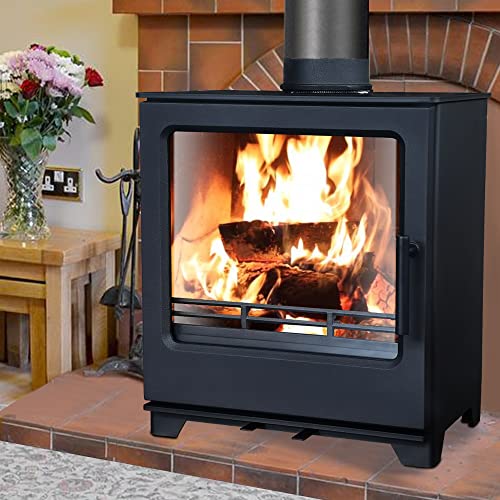
A wood-burning stove can be the focal point of any home that creates a warm and cosy atmosphere. It's also a great way to cut your energy bills. It provides a cost-effective alternative to gas or electricity and is a great option in power outages.
It also helps to reduce greenhouse gases and climate change. When used correctly the stove releases less carbon dioxide than fossil fuels, such as coal. Wood is a renewable resource that can be harvested without damaging the environment.
In addition to being a good source of heat, a wood burner can improve the air quality of your home by controlling the flow of air through the room. This is crucial because a lot of cities or counties have laws governing the amount of smoke that can escape from a residence.
Some of these regulations could include odor and nuisance regulations as well as the limits of visibility and opacity for chimney smoke. These regulations can be complicated and require you to be aware of your local requirements.
A wood stove can reduce the amount of harmful chemicals in your home. This is because most modern wood burners utilize catalytic converters, which eliminates toxic fumes in the process of burning. They also use a secondary combustion method which burns off gases which would otherwise be released into the air. This can make a big difference in the quality of air inside your home.
A wood burning stove is more efficient in generating heat than an open fireplace. A wood burner is more efficient than an open fireplace since it can control the flow of air and distribute heat across the room. This can lower the chance of inhaling smoke and fires.
In addition to improving the air quality in your home A wood stove can also increase the value of your home. This is because buyers are focusing on homes that have wood burners. But, before investing in a wood stove, you should think about the cost including the installation of chimneys and maintaining.
How do you use a wood burner
A wood burner is a fantastic way to heat your home. It can be used alone or in conjunction with a central heating system to keep your home warm and comfortable. It is also the natural heat source that is eco-friendly. It is essential to know how to use the wood stove safely.
It is recommended to use only the wood that has been seasoned for your burner. This means that the wood has been dried for at minimum six months. It is recommended to purchase kiln-dried wood or wood that has been deemed seasoned at your local retailer. Dry wood burns more efficiently, and produces less smoke. It is less likely to cause creosote which can build up inside your chimney and cause the fire to spread.
When you build your fire, start with small pieces of dry wood, then add larger logs. Be sure to leave enough space between the logs to allow air to circulate. Addition of too much wood could cause the fire to become suffocated and then die. Be cautious when using stamps. You could burn the wood surface when you press too hard. Also, you should clean your stamps regularly to prevent them from getting worn out.
If you're looking to make your woodburned art look more interesting, consider drawing a template on the wood using carbon paper prior to you begin to burn. The outline of the design will be transferred from the carbon to the wood. You can then take off the template. You can also use a letter stamp to make text on your woodburned pieces.
A pyrography pen is another useful tool for woodburners. These are not expensive and are available in craft stores and on the internet. They can be used to create borders, patterns, and even text. They are simple to use and you can buy various sizes of tip to create different effects.
You should also regularly remove the ashes from your wood burner. This will ensure that it's functioning properly and won't block up the flue. It is also an excellent idea to keep an extinguisher in the event of an emergency.
Maintenance of the wood stove
If used correctly, a wood burner is a highly efficient heating option However, like any device that generates heat it must be maintained to function properly. Regular cleaning of the interior of your stove's flue and glass door can help keep it clean and free of soot build-up that could hinder its performance. Cleaning a wood-burning stove is easy and you can do it by hand or by using a cleaning product.
Clean wood burning stoves small surrounding your stove, including chimney connectors and joints. Always refer to the stove's user manual for specific guidelines on the proper procedures for your particular model.
Wood burning stoves are an extremely popular choice for home heating. However, only if they are cleaned regularly will they work at their peak. They also create a cozy and warm environment for your family. A dirty wood burning stove could produce smoke, soot and carbon monoxide which can be dangerous in the event that it builds up in your chimney or flue. Also, you should check your smoke alarms regularly to make sure they're functioning.
The maintenance of your wood stove should be done twice a year. When you are doing these checks, it is important that the chimney is cleaned, as creosote can build up and cause an explosion in the chimney.
Make sure that the seals and gaskets are intact and not damaged, as this will lower the efficiency of your stove. It could also increase the amount of fuel consumed. Verify that the air vents and catalytic combustor are both in good working order and are not blocked. It is crucial to remove all ash and dispose of it in a proper manner (it is not recommended to put it in your gardens). The majority of ash can be reused in compost piles or a soil patch. Refer to the user manual provided by the manufacturer for more specific instructions.